Autumn Horse Care: 10 Things to Review Before Winter
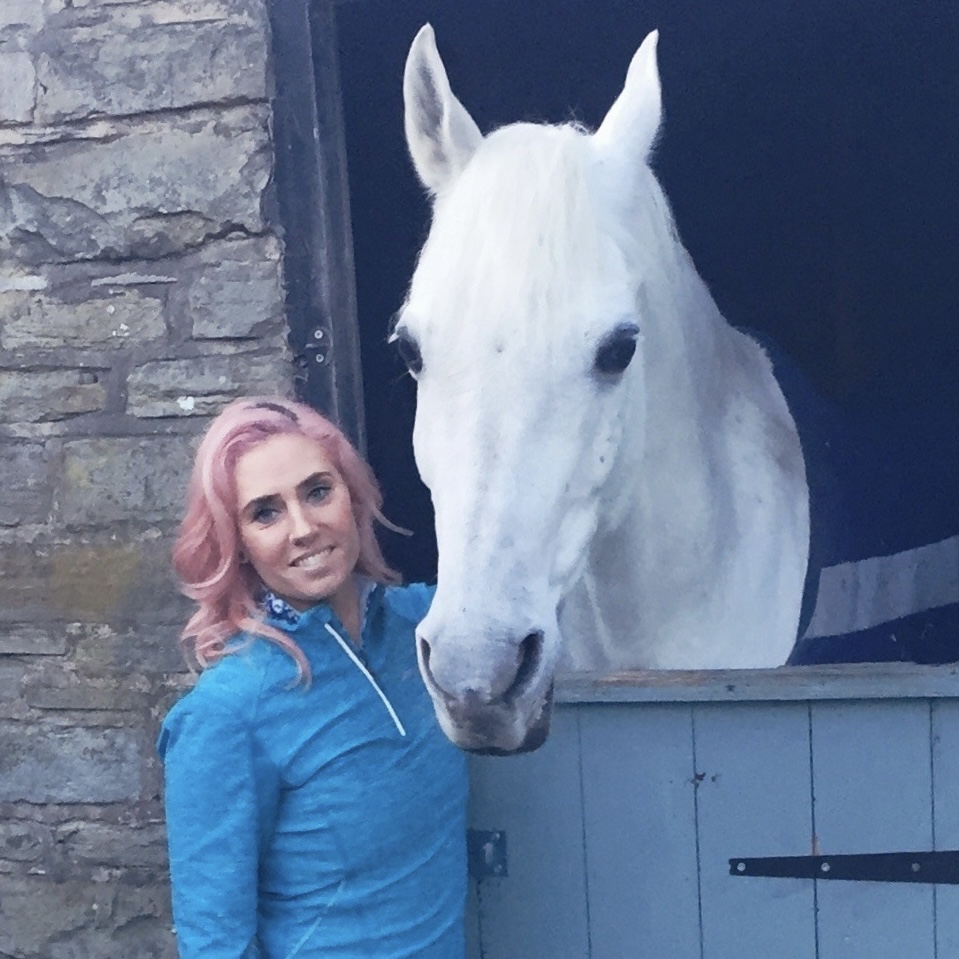
Updated: Sep 16
Because seasonal horse care isn’t about changing everything at once — it’s about noticing what’s changing and adjusting what needs to.
There is something about the first few weeks of autumn that always seems to catch horse owners slightly off guard.
One minute you’re still riding in the evening light, the fields are reasonably dry and rugs feel like a distant memory. The next, the evenings are disappearing, the winter coat is coming through and there’s suspicious-looking mud developing around the gateway.
Autumn is a transition season.
And after more than 35 years around horses, I’ve learned that I don’t particularly like blanket rules when it comes to seasonal horse care — forgive the pun.
Every horse is different. Their breed, age, condition, workload, coat, living arrangements and even the ground they’re standing on can completely change what they need.
So rather than treating September as a signal that everything needs to change, I prefer to ask:
What’s changing for this horse — and does anything need adjusting?
Here are ten things I think are worth reviewing as your horse heads into autumn.
1. How will shorter days change your routine?
One of the first things autumn changes isn’t necessarily the horse — it’s our ability to fit everything in.
If you work during the day, those long summer evenings that made riding after work easy start disappearing remarkably quickly.
It’s worth thinking ahead about what you actually want to do with your horse through autumn and winter.
Are you hoping to maintain their current fitness? Compete? Have lessons? Hack at weekends? Or are you quite happy for their workload to reduce for a while?
Your answer may change how important certain facilities become.
Years ago, I kept my horse on a yard with a large, well-drained all-weather arena and floodlights. It meant I could still school after work when it was completely dark outside.
The only slight complication was that floodlights created some fairly impressive shadows — which occasionally became extremely suspicious horse-eating monsters.
Apparently nobody had informed my horse that the dark shape following him around the arena was, in fact, his own shadow.
If evening riding becomes difficult, perhaps riding before work, making more use of weekends or changing your schooling schedule will work better.
The important thing is to think about it before the daylight disappears completely.
2. What will happen to their turnout and movement?
Autumn can also mean changes to turnout.
Some yards reduce turnout as the ground becomes wetter, while horses kept at home may have more flexibility to rotate fields, protect wetter areas or supplement grazing with forage.
If your horse is going to spend considerably more time stabled, it’s worth thinking about what that means for their overall day.
Horses benefit from opportunities to move, forage and interact socially, so reduced turnout may mean finding other sensible ways to maintain movement and stimulation.
When my own horse was stabled and I knew I wasn’t going to be able to ride that day, I would sometimes pay for him to go on the horse walker.
It wasn’t something I regarded as a replacement for turnout — but on those particular days, it gave him an additional opportunity to move rather than simply standing in his stable.
Depending on the horse and facilities available, other options might include riding, in-hand work, appropriate lunging, using an arena or simply making the most of the turnout you do have.
Again, there isn’t one correct winter routine.
The question is simply:
If their normal movement is about to decrease, how am I going to account for that?
3. Keep an eye on weight and body condition
Autumn is a useful time to start monitoring body condition a little more deliberately.
A horse’s workload may decrease. Grass availability and quality will change. Some horses will hold weight extremely easily, while others will begin to drop condition as winter approaches.
And a thickening coat can make changes in body shape harder to see.
This is where actually putting your hands on your horse becomes useful rather than relying entirely on what they look like.
Regular body condition scoring can help you notice gradual changes and adjust management before they become much larger ones.
My Arab was naturally quite a lean horse and could lose weight during winter, so I monitored him closely and adjusted his feed when he needed it. Good-quality forage remained a major part of his diet, with conditioning feed adjusted according to his condition and workload.
Another horse might need precisely the opposite approach.
Which is why my preference is:
Don’t feed the season. Feed the horse.
4. Review forage before the grass disappears
As grazing changes, forage naturally becomes an increasingly important part of many horses’ diets.
Forage should remain the basis of the horse’s diet, but the amount and type needed will depend on the individual horse, their condition, workload, turnout and health.
Personally, where appropriate, I like horses to have generous access to forage.
But that doesn’t mean simply putting unlimited high-calorie hay in front of every horse.
A good doer, overweight horse or one at increased risk of laminitis may need a carefully managed forage plan. That could involve appropriate lower-calorie forage, slow feeding, soaking hay where suitable or calculating intake with professional guidance rather than simply reducing forage indiscriminately.
If restriction is necessary, it should be done thoughtfully; current BHS guidance advises not reducing forage below 1.5% of body weight without veterinary advice.
Autumn is therefore a good time to ask:
What will replace the nutrition and forage time my horse currently gets from grazing?

5. Watch the coat — and decide whether clipping actually makes sense
There’s always a point in autumn when your beautifully groomed summer horse begins transforming into something considerably fluffier.
A good rubber curry comb, grooming kit and eventually a shedding blade can become very good friends.
Whether a horse needs clipping is another individual decision.
If they’re working hard enough to sweat heavily through a winter coat and taking a long time to dry, clipping may make management easier. If you’re planning to clip, autumn is also a useful reminder to make sure the clippers are serviced, blades are sharp and the coat is clean before you start.
My Arab had a very fine coat and never grew anything particularly impressive in winter. He usually only became sweaty around his neck after schooling, so most years I didn’t feel there was enough reason to clip him.
When he was cold, though, every individual hair seemed to stand upright and he suddenly looked like a velvet pillow.

It was adorable. Not especially majestic, but adorable.
Interestingly, when I later worked with horses in Australia, I saw people managing show-horse coats using rugging and extended stable lighting. There is research showing that photoperiod — the length of light exposure — can influence seasonal coat growth and shedding in horses.
That doesn’t mean leaving a stable light on is some magical shortcut to a summer coat. Breed, temperature, management and timing all matter.
But it was one of those interesting differences I noticed between the horse worlds I’d experienced in the UK and Australia.
6. Rug the horse — not the calendar
And now we arrive at one of horse ownership’s favourite seasonal debates.
Rugs.
There is no blanket rule.
I’m not even sorry about that one.
Whether a horse needs rugging — and what weight of rug they need — depends on the individual horse, including their age, breed/type, coat, body condition, workload, whether they’re clipped, their living arrangements, access to shelter and the actual weather.
Autumn is particularly awkward because the weather can change dramatically from one day to the next.
My own rug wardrobe usually included a fleece, lightweight/no-fill rain sheet, medium-weight turnout with a detachable neck, heavyweight turnout and stable rugs that could be used according to conditions.
Because my Arab had such a fine coat, I sometimes rugged him earlier than I might have rugged a much hardier horse with a dense winter coat.
But I also loved those mild, dry autumn days when he could spend some time without a rug, have a good roll and let his coat breathe.
Admittedly, this occasionally meant retrieving something that looked less like an Arabian horse and more like a mobile mud sculpture.
Still worth it.
The principle remains:
Rug the horse and the conditions in front of you — not the date on the calendar.
7. Fields, mud and feet go hand in hand — or hoof in hoof
British autumn has one particular talent.
Mud.
After living and working with horses in Australia, I can confidently say British mud operates at an entirely different level.
Invest in good wellies.
Before the really wet weather arrives, look at the areas of your turnout that receive the most traffic.
Gateways. Water troughs. Hay feeding areas. Places horses congregate. Favourite standing or snoozing spots.

If you manage your own land, autumn may be the time to think about moving feeders, rotating areas, creating suitable hardstanding or using appropriate ground-stabilisation systems before those areas become completely poached.
Wet conditions also mean paying closer attention to feet, heels and skin.
My Arab had two white socks with pink skin underneath, and those heels were always the ones I watched most carefully for mud fever.
Current BHS guidance focuses on reducing prolonged exposure to wet, muddy conditions where possible, providing dry standing areas and keeping the skin barrier healthy. If legs are washed, they should be dried thoroughly; barrier products should be applied to clean, dry skin, and any boots used in turnout need to fit properly and be managed carefully.
If you notice significant heat, swelling, pain, broken skin, discharge or persistent problems, speak to your vet rather than endlessly trying different lotions and potions.
Sometimes the best mud-management product is simply less mud.
Unfortunately, nobody has yet worked out how to sell that in a tub.
8. Give the stable an autumn reset
If your horse is likely to spend more time stabled as the weather deteriorates, autumn is a great opportunity to give the stable a proper reset.
I’d much rather do the bigger cleaning jobs on a dry autumn day than discover something needs sorting when it’s freezing, raining sideways and the horse needs to come in.
Clear cobwebs and dust, brush down surfaces, check doors, latches and fixtures and make sure nothing has become loose, sharp or damaged.
If you use rubber matting and your setup allows it, this can also be a useful opportunity to lift or thoroughly clean underneath it and allow everything to dry properly before heavier winter use.
Review bedding supplies too. You don’t necessarily need to change bedding simply because winter is coming, but if the horse is likely to spend longer indoors, you may find you use more.
I’ve generally used shavings, although I’ve worked on yards using several different systems, including wood pellets and combinations of bedding types.
This is also a good time to check feed and water buckets, haynets and anything else regularly used in the stable.
I’ve always liked flexible rubber-style buckets because if a horse stands on one or manages to lie on it — horses being horses — it tends to flex rather than breaking into sharp pieces.
And if increased stabling is likely, think about the horse’s environment as well as the physical stable.
Appropriate forage, safe enrichment and opportunities for social contact can all help make increased time indoors more manageable.
The detailed winter stable routine can wait.
For autumn, I simply want to know:
Is the stable clean, safe and ready if I suddenly need to use it more?
9. Keep water — and parasite control — on the radar
Water is obviously not an autumn-only consideration, but changing routines can make it worth reviewing.
My horse had an automatic drinker, and when it was first installed I made sure he understood how it worked.
Every day I would swill the bowl, remove any hay or shavings that had found their way into it and manually press the mechanism to make sure water was actually flowing.
Automatic drinkers are convenient, but one disadvantage is that it can be much harder to know exactly how much a horse has consumed.
Some horses also seem to prefer drinking deeply from a larger container, so at times I provided a large bucket alongside the automatic drinker.
If I specifically needed to monitor intake, measured buckets were much more useful.
The important thing is simply that horses have reliable access to clean, fresh water — and that we actually check the system providing it.
Autumn is also a sensible time to review your parasite-control plan.
I personally prefer an evidence-led approach using faecal worm egg counts where appropriate rather than automatically worming every horse according to the calendar.
However, faecal egg counts do not detect every parasite or every stage of the parasite lifecycle.
Current BHS guidance supports risk-based parasite control using testing alongside veterinary or suitably qualified prescriber advice. Resistance to wormers is an increasing concern, making appropriate testing and targeted treatment particularly important.
So rather than asking:
What wormer do horses get in autumn?
I’d ask:
What does this horse’s parasite-control plan require now?
10. Check the things you’ll be annoyed you didn’t check later
This is my highly scientific final category.
The “I knew I should have sorted that in September” list.
Before the weather properly turns, check things such as:
rugs — fit, condition, waterproofing and repairs
clippers and blades
bedding stocks
forage arrangements
buckets and haynets
torches and yard lighting
fencing and gateways
first-aid supplies
anything else you know becomes considerably more irritating to deal with when it’s cold, dark and raining
Your first-aid kit is particularly worth reviewing.
Check what you actually have, replace used items and look at expiry dates rather than assuming the mysterious box in the tack room contains everything you need.
I’ve created an Equine First Aid Kit Essentials printable specifically to make that job easier, with an essentials checklist and a separate kit-check page.
Because discovering you’ve run out of something is much better done during a routine check than when you actually need it.
Seasonal care doesn’t mean changing everything
This is probably the most important point in this entire article.
Autumn arriving does not automatically mean your horse needs:
more feed,
a heavier rug,
more bedding,
a clip,
supplements,
or a completely different routine.
Sometimes you’ll review something and decide:
Nothing needs changing.
That is still good horse care.
Seasonal management is not about reacting to the calendar.
It’s about noticing what is changing in your horse, their environment and their routine — and deciding whether you need to respond.
That is the thinking behind the Seasonal · Adjust part of The Quiet Care Method™.
Observe what is.
Maintain what matters.
Adjust when needed.
A calmer approach to autumn horse care
If reading this has made you mentally start a list of rugs to check, gateways to inspect, clippers to service and feed supplies to review, that’s exactly why I like having seasonal care written down rather than trying to keep everything in my head.
I’ve created the Bridle & Paw Autumn Horse Care Checklist to make that seasonal review even easier — a practical 3-page printable for working through your horse, routine, yard and equipment as the season changes, then turning what you’ve noticed into a simple plan for the season ahead.
And if you’d like a more complete system for keeping track of everyday horse care throughout the year, The Quiet Care Method™ is my printable horse-care journal built around three simple rhythms:
Daily · Observe
Monthly · Maintain
Seasonal · Adjust
Because good horse care doesn’t always mean doing more.
Sometimes it simply means noticing more — and knowing when something actually needs to change.
This article is intended for general horse-care education and does not replace veterinary, nutritional or other professional advice. If you are concerned about your horse’s health or welfare, contact an appropriately qualified professional.


Comments